When millions of dollars are on the line, transparency, trust, and absolute randomness are paramount. For decades, lottery operators worldwide have relied on complex, carefully engineered mechanical systems to guarantee true randomness and provide an engaging spectacle for players. Behind the scenes, these drawing systems are divided into two primary technological families: Gravity Mix (often referred to as Mechanical Mix) and Air Mix machines. While both formats are designed to ensure fair outcomes and meet strict regulatory standards, their operational mechanics, physical footprints, and ideal use cases differ significantly.
The Gravity Mix (Mechanical Mix) System
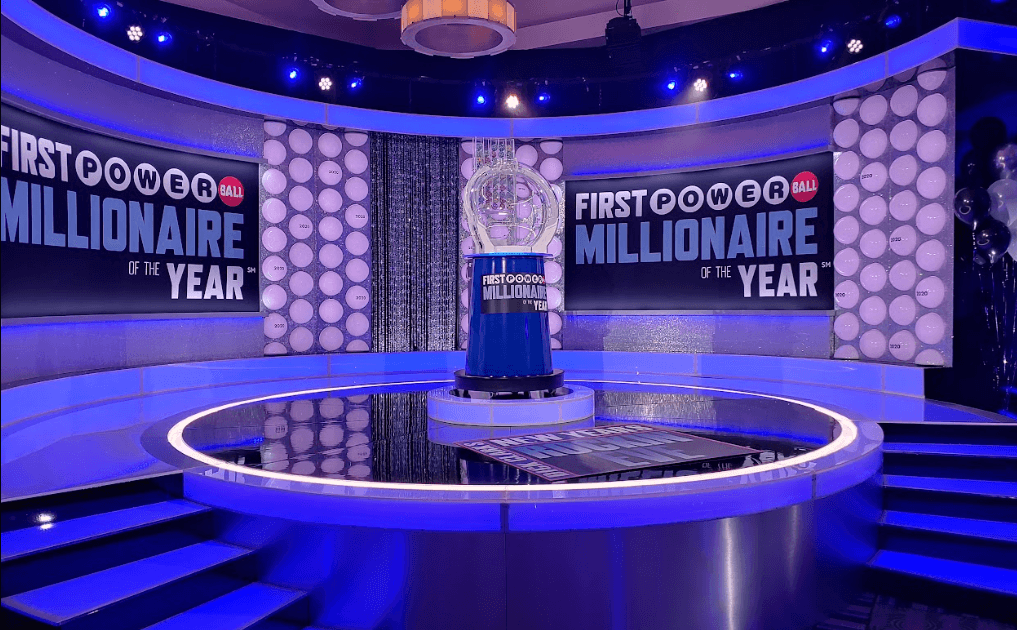
The gravity mix machine is the most recognizable format for traditional, high-stakes national lotteries. It is the mechanical standard trusted by massive multi-jurisdictional games like Powerball.
How It Works
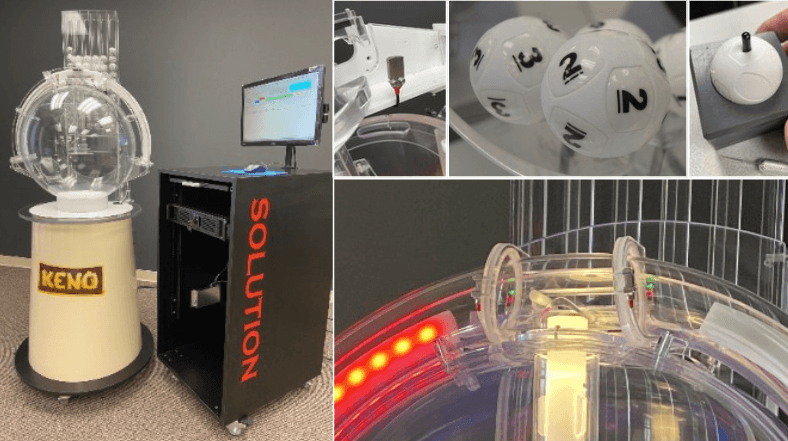
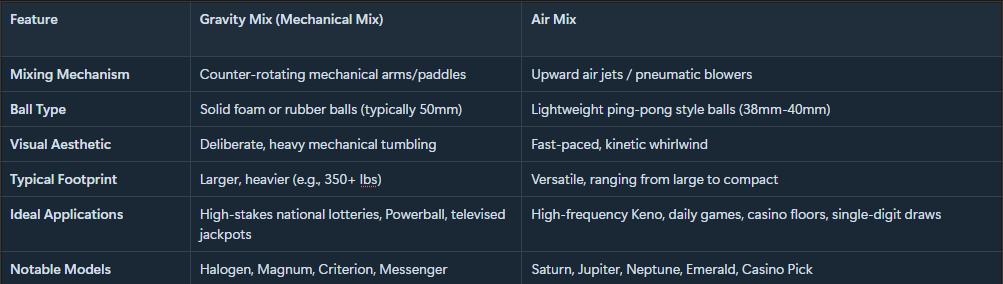
In a gravity mix machine, solid rubber or foam balls (typically around 50mm in diameter) are dropped into a transparent acrylic mixing chamber. The mixing action is powered by motorized paddles or counter-rotating mixing arms that spin in opposite directions. This constant mechanical agitation creates a chaotic, collision-based environment that eliminates bias zones. To select a winning number, a mechanism—often driven by gravity pushing the ball into a release hole or a rising shaft catching a ball at the bottom—isolates a ball and guides it into a display tray.
Key Characteristics and Applications
• Scale and Size: Gravity mix machines are generally much larger and heavier than their pneumatic counterparts. For instance, Smartplay's flagship Halogen II machine stands over 78 inches tall and weighs approximately 350 pounds.
• Transparency: Because the mechanical arms and the dropping of the balls are entirely visible to the naked eye, these machines offer unparalleled visual transparency. Players can watch every step of the physical mixing process, which builds immense public trust.
• Ideal Use Cases: These machines are best suited for prime-time televised draws and national jackpots where a dramatic, deliberate, and highly auditable process is required.
Prominent Models: Leading examples manufactured by Smartplay International include the Halogen, Magnum, Criterion, and Messenger systems.
Comparing the Technologies
Both gravity and air mix systems are designed from first principles to prevent tampering and provide verifiable outcomes. The choice between the two often comes down to the specific requirements of the game format and the desired broadcast aesthetic.
Shared Innovations: Bringing Lotteries into the Digital Age
While their mechanical hearts differ, modern gravity mix and air mix machines from manufacturers like Smartplay share several advanced technological features that bridge the gap between physical randomness and digital security:
• RFID SmartBall Technology: Both machine types can be equipped with RFID readers and RFID-embedded balls. As a ball is drawn, its unique identifier is instantly read and logged by the system's microprocessor. This fully automates result capture, eliminating manual data entry errors and broadcasting results instantly.
• Automated Operation and API Integration: Via robust software (such as the Solution Workstation), operators can control mixing durations, intervals between draws, and automatic ball recycling without touching the machines. APIs allow these physical draws to integrate seamlessly into live iGaming streams and broadcast graphics.
• Regulatory Certification: Regardless of the mixing method, top-tier draw machines must pass rigorous independent testing. Organizations like Gaming Laboratories International (GLI), KPMG, and BMM test both machine types for structural integrity, ball weight tolerances, and statistical randomness over thousands of draw cycles.
In conclusion, whether a lottery opts for the imposing, transparent churn of a gravity mix machine or the rapid, swirling spectacle of an air mix system, the underlying goal remains identical: providing an indisputably fair, secure, and entertaining draw for every ticket holder.