When you think of a raffle, you might picture a spinning drum of paper tickets at a local school fair, with the winner taking home a fruit basket or a bottle of wine. It's a charming, small-scale game of chance. But around the world, raffles have evolved into something far more extraordinary — billion-dollar spectacles that unite entire nations, build hospitals, fund armies, turn entire neighborhoods into winners overnight, and preserve centuries-old cultural traditions.
These are not your average fundraisers. They are windows into a country's soul, reflecting its values, its history, and its collective dreams. From a Spanish Christmas tradition born in the shadow of the Napoleonic Wars to an Australian system that has been giving away dream homes to support veterans since 1956, the global world of raffles is rich with stories that most people have never heard.
At Smartplay, we work with lottery and raffle operators around the world. And in all our years in this industry, one truth has never changed: the best raffles are not just games — they are experiences, traditions, and acts of community. Here are some of the most fascinating examples on the planet.
The Crucial Distinction: What is a Raffle vs. a Lottery?
Before we travel the world, it is essential to clarify a distinction that even industry professionals sometimes conflate: the legal and structural difference between a raffle and a lottery.
In most jurisdictions (including the US, UK, and Australia), a lottery is legally defined by the presence of three elements: a prize of value, an outcome determined by chance, and consideration (participants paying or giving something of value to enter). If all three elements are present, it is legally a lottery and subject to strict gambling regulations.
A raffle is technically a type of lottery, but the two terms describe different operational models in practice. A traditional lottery typically offers cash prizes funded by a percentage of ticket sales (pari-mutuel), while a raffle typically offers pre-determined physical prizes or a fixed cash amount regardless of ticket volume. In a lottery, players usually select their own numbers and there may be no winner at all; in a raffle, a winner is drawn only from tickets actually sold, guaranteeing a prize is awarded. Lotteries tend to be large, ongoing revenue operations run by governments or corporations, while raffles are typically run by charities or community groups for specific fundraising goals.
Removing one of the three legal elements creates other categories: dropping "consideration" (offering a free entry route) creates a Sweepstakes or Free Prize Draw (like Omaze in the UK); dropping "chance" (requiring a skill or knowledge test) creates a Prize Competition (like BOTB).
The Ancient Roots: From Chinese Keno to Jan van Eyck's Paintings
The earliest recorded lottery-style draws date to the Chinese Han Dynasty (205–187 BC), where keno slips were used to fund major state projects — including, according to legend, the Great Wall of China. In ancient Rome, Emperor Augustus held public lotteries to distribute gifts and fund repairs to the city. In 15th-century Belgium, lotteries raised money for churches and civic buildings. And when the Flemish painter Jan van Eyck died in 1441, his widow raffled off his remaining paintings to settle his estate.
El Gordo (Spain): The €2.5 Billion National Christmas Party
Classification: National Lottery (Passive Draw)

El Gordo — "The Fat One" — is Spain's annual Christmas Lottery, with a prize pool exceeding €2.5 billion, making it the single largest draw in the world. Structurally it behaves like a massive raffle: players buy pre-printed tickets with five-digit numbers rather than choosing their own.
What defines El Gordo is its spirit of collective participation. A single winning number can be shared among thousands of people who bought a décimo (one-tenth of a ticket) from the same series, so entire villages, factory floors, and families celebrate together. The lottery dates to 1812, during Spain's war against Napoleon, and has run uninterrupted ever since. The draw itself is a piece of living theater: for up to six hours on December 22nd, students from Madrid's San Ildefonso school draw numbered balls from two enormous golden globes and sing the results in a distinctive chant known to every Spaniard.
Takarakuji (Japan): The Lucky Booth and the Year-End Jumbo
Classification: National Lottery (Passive Draw)

Japan's government-run Takarakuji ("fortune treasure") traces its roots to Buddhist temples in the 1600s that used lottery draws to fund repairs. The most anticipated draw is the Nenmatsu Jumbo Takarakuji — the Year-End Jumbo Lottery — a passive, pre-printed-ticket draw offering a top prize of ¥700 million (roughly $4.5 million), which can reach ¥1 billion per ticket series when combined with adjacent prizes.
A unique feature of Japanese lottery culture is belief in "lucky" ticket booths that have historically sold multiple jackpot-winning tickets. The most famous, the Nishi-Ginza Chance Center in Tokyo's Ginza district, draws queues of hundreds of people daily, sometimes in freezing temperatures, for the chance to buy from that specific booth.
The Dubai Duty Free Millennium Millionaire: The World's Most Famous Airport Draw
Classification: Promotional Raffle / Prize Draw

At Dubai International Airport, travelers can buy a ticket in the Millennium Millionaire draw — a true raffle in the classic sense. A limited number of tickets (usually 5,000) sell for $500 each, and one is drawn to win a $1 million cash prize. Running since 1999, it has created over 200 millionaires from dozens of countries. A companion draw, Finest Surprise, offers a $35 ticket a chance at a luxury car. Big Ticket Abu Dhabi extends the concept further, with top prizes reaching AED 35 million (about $9.5 million) on AED 500 ($136) tickets — a beloved institution in a country where casino gambling is prohibited.
The Postcode Lottery (Netherlands & UK): When Your Whole Street Wins
Classification: Charity Lottery (Subscription-based)
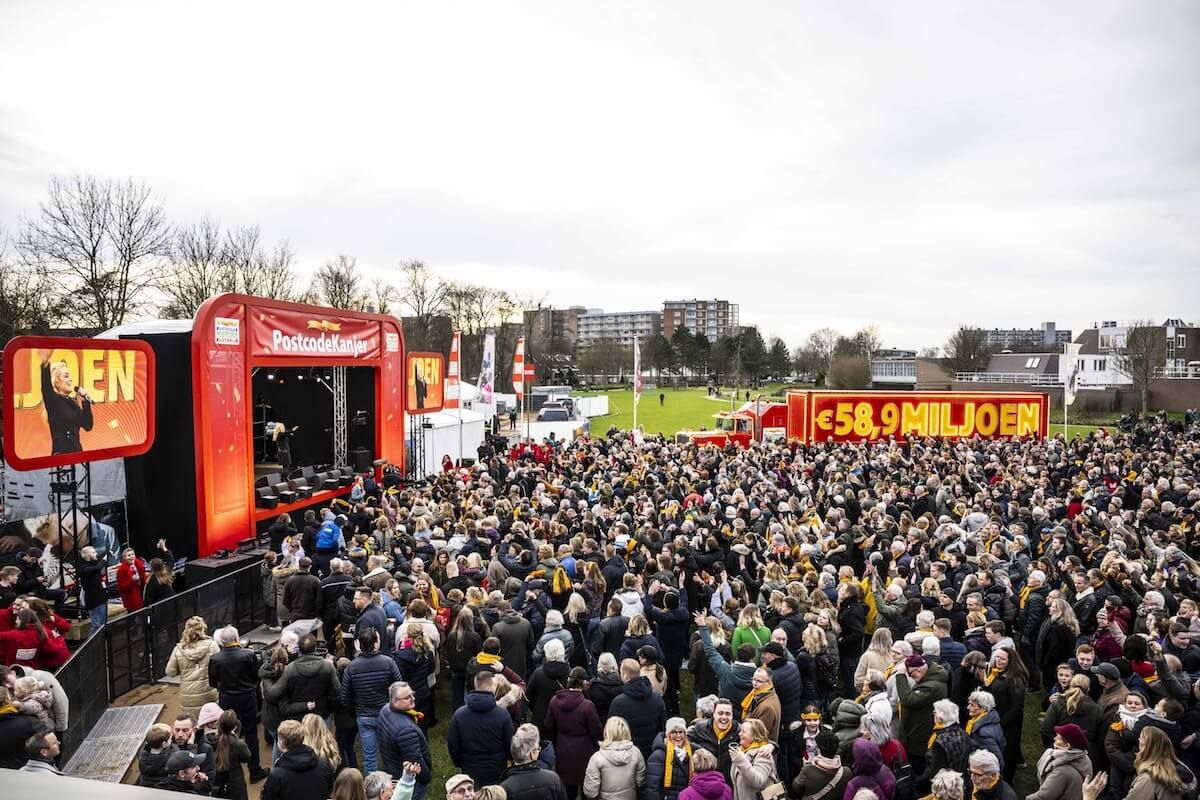
The Postcode Lottery model has players register with their postal code via monthly subscription; when a postcode is drawn, every subscribed player in it wins. In the UK's People's Postcode Lottery, the "Millionaire Street" prize sees one postcode share a £1 million pot. A minimum of 33% of every ticket sold goes to charitable causes, and since the Dutch Nationale Postcode Loterij was founded in 1989, the Postcode Lottery Group has raised over €13.5 billion for good causes globally.
Australian Prize Home Lotteries: Win a House, Support a Cause
Classification: Charitable Art Union / Category 3 Gaming
In Australia, prize home lotteries are legally classified in many states as "Art Unions," where the prize is physical property rather than cash. The RSL Art Union, established in 1956, funds the Returned & Services League of Australia's support for veterans; for as little as $5 a ticket, entrants can win a fully furnished property often valued at $3 million or more. The Mater Prize Home lottery dates to 1954 and funds patient care at Queensland's Mater hospitals. The tangibility of touring the actual prize home is central to these games' appeal.
The Irish Hospitals' Sweepstake: The Raffle That Built a Nation
Classification: Historical Sweepstake / Lottery

Launched in 1930 by the newly independent Irish Free State, the Hospitals' Sweepstake funded construction and maintenance of Ireland's underfunded hospital system by running a global lottery tied to famous horse races. Tickets were sold — often illegally — through an underground agent network in the US, Canada, the UK, and Australia. From 1930 to 1987 it raised the equivalent of hundreds of millions of dollars, funding a modern hospital network that transformed Irish public health.
The NHL 50/50 Raffle: A $14 Million Pot at a Hockey Game
Classification: Charitable 50/50 Raffle
In a 50/50 raffle, half the pot goes to a drawn winner and half to charity. During the 2020 NHL playoffs, played in a COVID-19 bubble, the Edmonton Oilers Community Foundation's fully digital 50/50 raffle raised a single-draw pot of over $14 million CAD, with the winner taking home more than $7 million. Since 2001, the program has raised over $559 million for youth programs, mental health initiatives, and community development.
BOTB (UK): The Skill-Based Car Competition That Changed the Game
Classification: Prize Competition (Not a Lottery/Raffle)
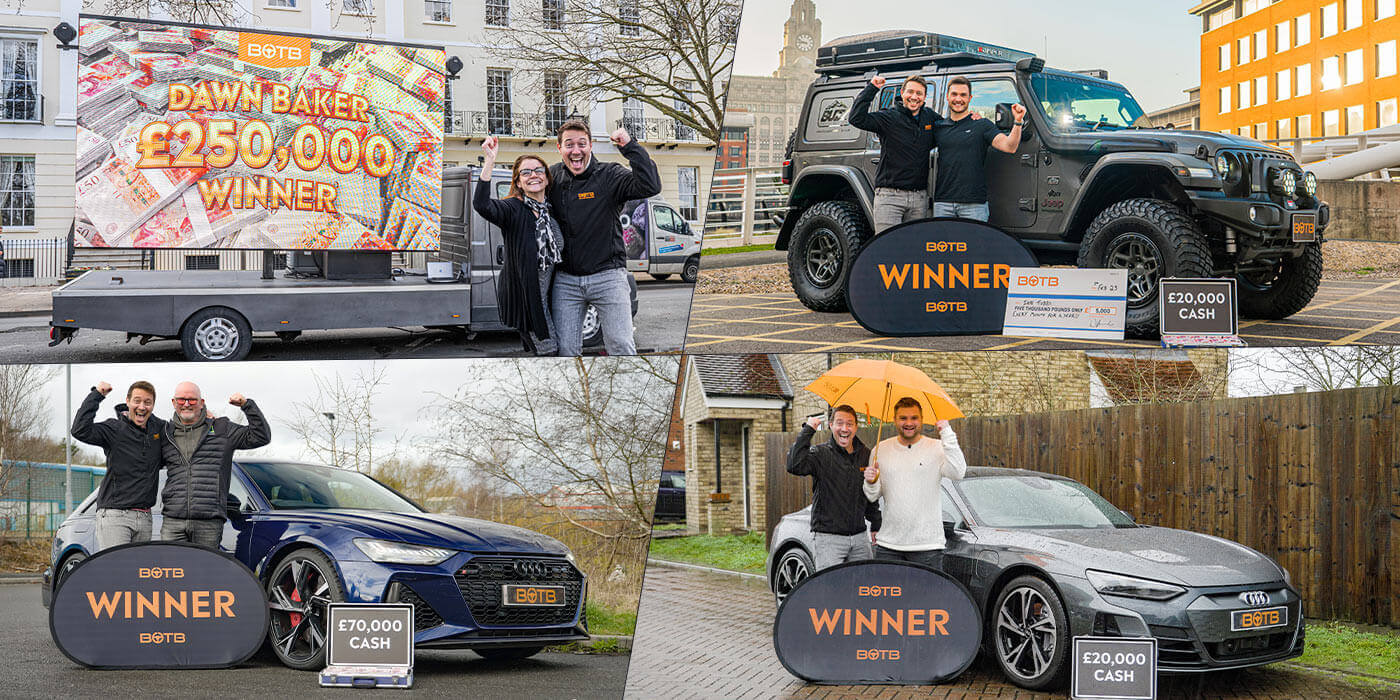
Under the UK Gambling Act 2005, a draw requiring genuine skill or knowledge that deters a significant share of entrants is classified as a Prize Competition rather than a lottery. BOTB (Best of the Best) built its business on this distinction: players play a "Spot the Ball" game, and whoever's guess is closest to the ball's actual position (as judged by a panel) wins prizes like Lamborghinis, Ferraris, and Porsches. Because the outcome depends on skill, BOTB operates outside traditional gambling regulation — a model that, like Omaze's free postal entry route, illustrates how regulatory definitions shape product design.
Lotteria Italia: The Epiphany Raffle and Italy's Sweet Tradition
Classification: National Lottery (Passive Draw)
In Italy, the holiday season doesn't end until the Feast of the Epiphany on January 6th, when the results of the Lotteria Italia — first held in 1957 — are announced. Tied to the folkloric tradition of La Befana, tickets are sold through autumn and traditionally purchased alongside torrone (nougat) and other holiday sweets. The draw is broadcast live on national television, and first prize has historically been worth €5 million.
What These Draws Tell Us About Human Nature
Across these examples — from the singing children of Madrid to the lucky booth queues in Tokyo, from the prize homes of Brisbane to the hospital-building Sweepstake of Dublin — a common thread emerges: the best raffles and lotteries are about community, tradition, hope, and the universal human desire to believe that fortune can smile on anyone. For operators, the lesson is that game mechanics matter far less than the experience and meaning built around them — the draws that endure for decades are the ones that connect deeply with the values and dreams of the communities they serve.
At Smartplay, we help lottery and raffle operators around the world design, build, and grow experiences that resonate. Contact the Smart Play team to build a draw that becomes a tradition.