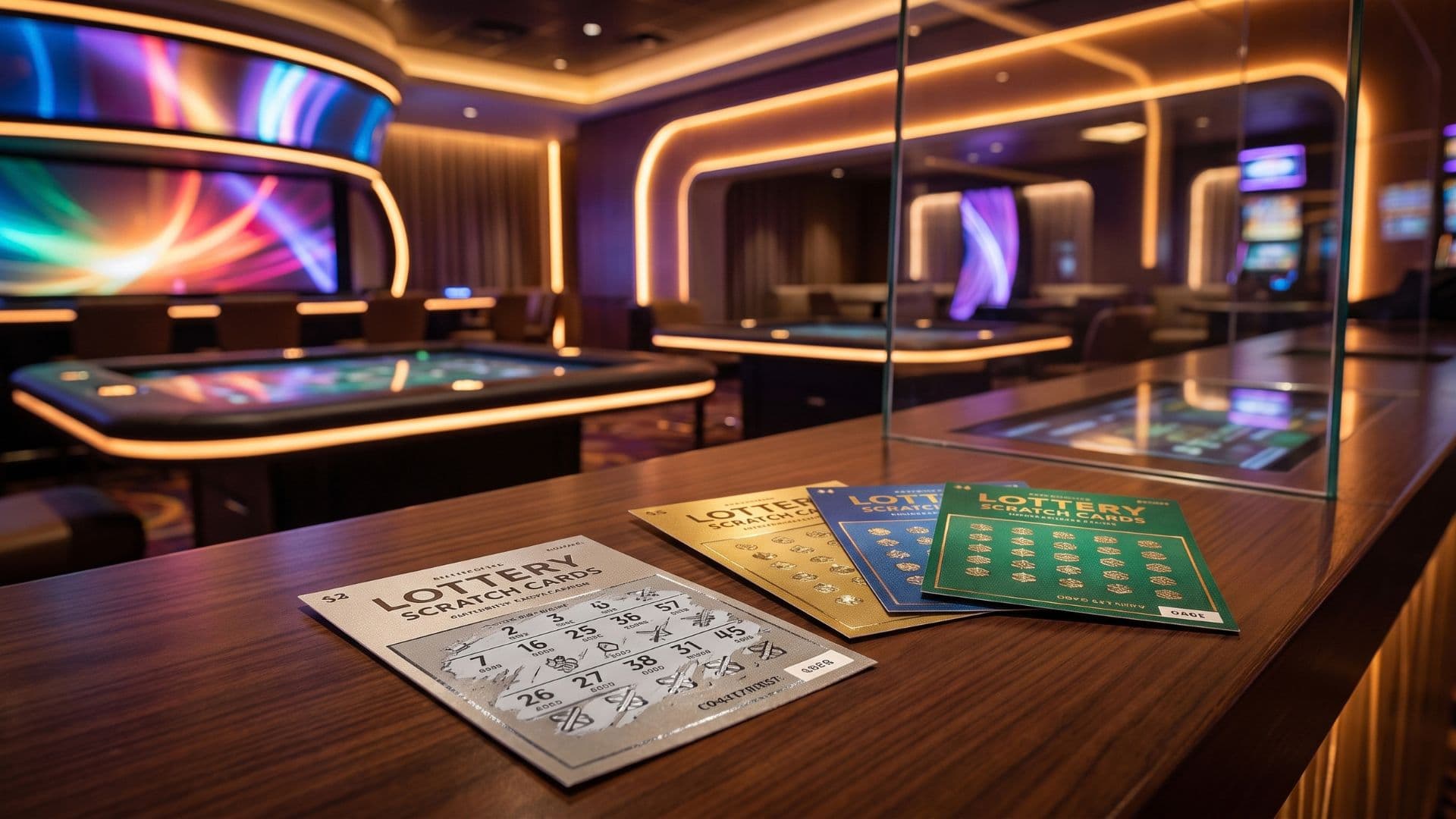
In Venezuela, playing the lottery is more than just a game of chance—it is practically woven into the cultural DNA. From the superstitions that dictate which numbers to pick based on last night's dreams to the bustling street vendors shouting out the latest jackpots, lotteries in Venezuela have long been a source of hope and entertainment.
However, the industry has experienced dramatic highs and devastating lows over the last few decades, mirroring the country's economic turbulence. Let's explore the history of lotteries in Venezuela, the unique psychological grip of local games, the challenges they faced, and how recent changes have breathed new life into the market.
The Golden Era of the Venezuelan Lottery
While games of chance have existed in Venezuela since colonial times, the modern lottery boom truly took off in the late 20th century. During the 1990s, the lottery was a massive cultural event. Families would gather around the television every week to watch the live draws. Games like Kino Táchira became household names.
At its peak in 1998, Kino Táchira was handing out jackpots equivalent to $2 million—a staggering sum that could instantly change a family's trajectory.
The Cultural Phenomenon and Psychology of "Animalitos"
Alongside the massive national draws, highly localized and fast-paced games like the Lotería de Animalitos (Animal Lottery) became deeply ingrained in daily life. Instead of purely numbers, players bet on specific animals (like a dolphin, a rooster, or a horse) assigned to a roulette board.
The psychology behind the massive popularity of the Animalitos lottery is profoundly tied to Venezuelan folklore, economics, and behavioral psychology:
Concrete Relatability: Betting on a "rooster" or a "dolphin" feels much more tangible and accessible than picking abstract number combinations. People form emotional attachments to the symbols, making the game inherently more engaging.
Dream Interpretation and Syncretism: Superstition heavily drives the game. Players constantly interpret daily events into bets. If a player dreams of a wedding, a fight, or a specific person, there is a corresponding animal to bet on. Seeing a stray dog on the way to work might prompt a bet on the dog. It turns the mundane world into a puzzle of "signs," giving players a sense of control and destiny over their choices.
Instant Gratification and the Dopamine Loop: Unlike national lotteries that draw weekly, Animalitos draws occur multiple times a day—sometimes hourly. This creates a rapid feedback loop of anticipation and reward, providing frequent, small hits of dopamine that keep players continuously engaged.
Low Barrier to Entry: Bets can be made for mere pennies. In times of extreme economic hardship, these micro-bets allow even the poorest citizens to participate daily. It is viewed as a small, affordable glimmer of hope or a fun daily habit rather than a massive financial risk.
Social Bonding: Sharing "datos" (insider tips or hunches) about which animal is "due" to win is a daily social ritual in neighborhoods. It acts as an icebreaker and strengthens community ties over shared speculation and excitement.
The Collapse: Inflation and Changing Rules
The 2000s and 2010s brought severe challenges to the Venezuelan gambling and lottery industry. In 2011, then-President Hugo Chávez ordered the closure of casinos and bingo halls across the country. Interestingly, lotteries were spared from this ban and continued to operate. However, the lotteries soon fell victim to a much larger force: hyperinflation. As the Venezuelan Bolívar rapidly lost its value, the prizes offered by the national lotteries became virtually worthless. A "millionaire" prize in bolivars could barely cover a week's worth of groceries.
Because currency controls made it illegal to offer prizes in foreign currency, the major lotteries lost their appeal.
Timeline of Economic Impact
1998 — The Peak of Kino Táchira: The lottery reaches its golden era with jackpots equivalent to $2 million USD.
2011 — Casino Ban: Casinos and bingo halls are banned nationwide, though lotteries are permitted to remain operational.
2014–2018 — The Hyperinflation Era: Hyperinflation destroys the value of the Bolívar. Jackpots become financially meaningless.
2018 — Currency Flexibilization: The government relaxes strict currency controls, allowing informal dollarization to rescue the industry.
2022–Present — The Resurgence: Classic games are relaunched with massive prizes paid directly in USD.
The Resurgence: Dollarization Drives a Comeback
Everything began to shift after 2018 when the Venezuelan government relaxed its strict foreign exchange controls, allowing a "de facto" dollarization of the economy to take root. This informal dollarization acted as a pressure valve for the crisis and, inadvertently, rescued the lottery industry.
With the ability to legally operate and pay out in U.S. dollars, the big games returned. The market has seen a massive resurgence of classic brands:
Triple Gordo: Relaunched on January 1, 2022, tickets sell for $5, offering a massive top prize of $500,000.
Kino Táchira: The beloved classic has returned, frequently boasting rolling jackpots of $750,000 or more.
La Bola Loca: Operated by the Lotería del Zulia, this game also offers a "medio palo" (half a million) prize of $500,000.
Moving Forward: Opportunities in the Market
The return of the lottery has sparked a renewed sense of competition and opportunity in Venezuela, both for operators and citizens.
A Hybrid Sales Model: The tradition of the street vendor is back. Sellers are once again setting up stands on street corners, earning commissions. However, digitalization has modernized the space, with many tickets now sold via mobile phones, WhatsApp, and dedicated digital platforms, capturing a tech-savvy demographic.
A Ready and Willing Market: The cultural attachment to games of chance never left Venezuela; it simply went dormant waiting for a viable currency. Operators have an incredible opportunity to tap into a market that is highly receptive. The Animalitos games continue to thrive for daily, low-stakes bets, while the major lotteries fill the demand for the "big dream."
Economic Relief and Employment: The revival of the lottery sector is also creating a micro-economy of its own. It provides vital supplementary income for thousands of street vendors, graphic designers, marketers, and digital distributors across the country.
Ultimately, the resurgence of the Venezuelan lottery is a reflection of the country's broader economic adaptations. By pivoting to the U.S. dollar and embracing digital sales, the industry has managed to survive the collapse of the local currency, allowing Venezuelans to do something they haven't been able to do in a long time: dream big.