In the modern entertainment landscape, where choices are endless and attention spans are precious, the lottery industry faces a constant and existential challenge: how to innovate and remain relevant. Lotteries, which serve as critical sources of public funding in countries worldwide, cannot rely on their flagship games forever. They must continuously evolve — a process that demands sophisticated blends of data science, psychological insight, and cultural awareness.
The lottery game development process begins long before a ticket is printed. It's a strategic endeavor aimed at balancing entertainment value with profitability, all while adhering to strict regulatory standards. The goal is to build a balanced lottery portfolio: a mix of traditional jackpot games, instant-win scratch cards, and emerging digital offerings that appeal across demographic groups.
The Foundation of a New Game: Research and Psychology
Every successful game concept starts with thorough market research. Lotteries analyze player demographics, purchasing habits, and what players are seeking in a game experience. This is where psychological principles become decisive.
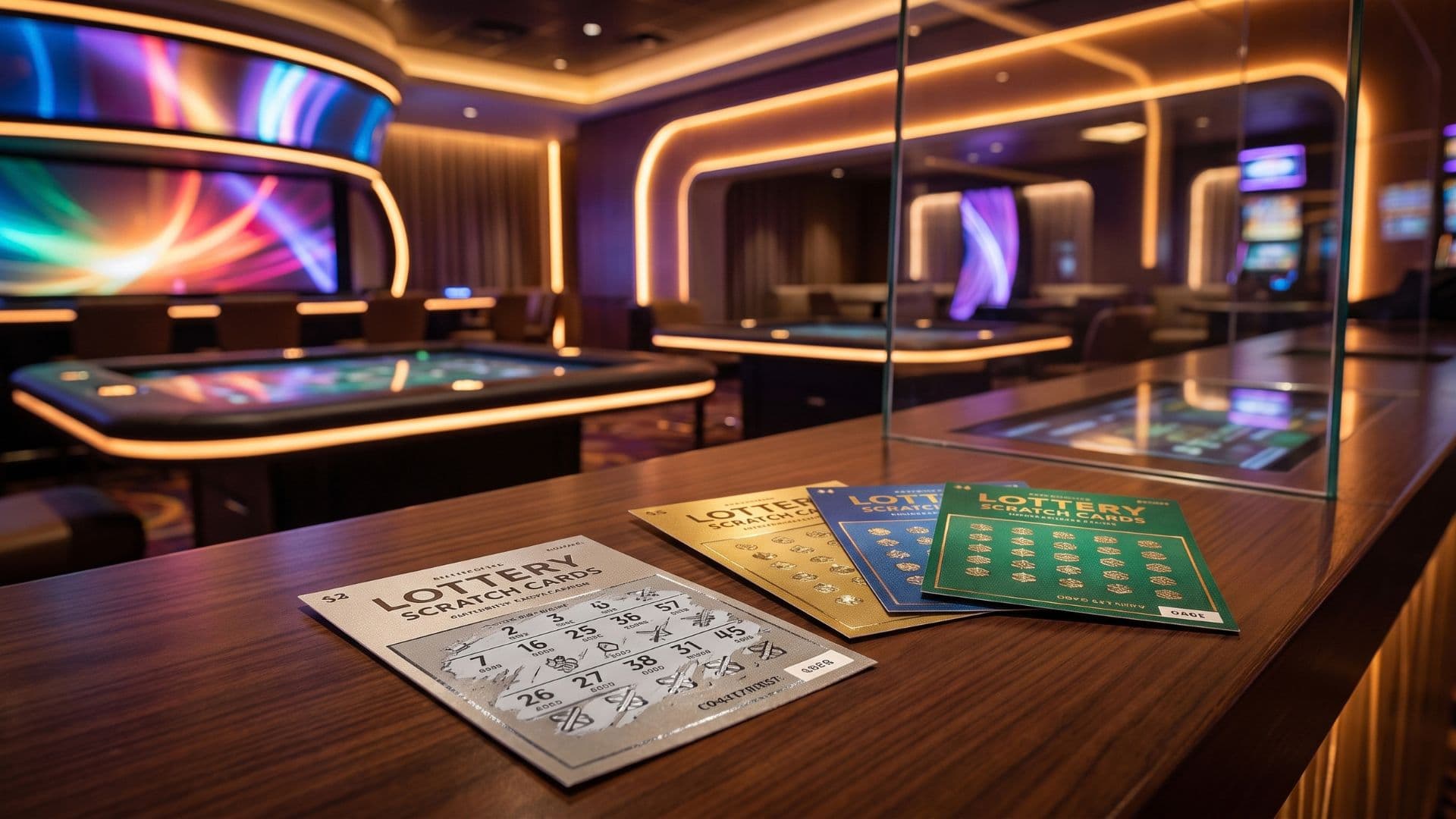
A key driver for player engagement is the variable reward system — the unpredictable nature of winning keeps players returning. This works alongside the "almost won" phenomenon, a design staple in scratch-off tickets where players reveal two of three matching symbols, creating a powerful sense of proximity to a prize. The frequency of the game also shapes behavior: daily games like Pick 3 offer immediate gratification, while massive multi-state jackpots like Powerball build excitement through rollovers — a phenomenon researchers call "lottomania." Smart game developers understand and architect all of these effects deliberately.
The Crucial Role of Profitability and Game Mechanics
While player psychology is vital, profitability is the ultimate measure of a game's success. At the core of every game's financial model is its expected value — the average amount a player can expect to win or lose over the long run. Lottery games are designed with a negative expected value for the player, ensuring that a significant portion of ticket sales funds public programs.
This financial calculation determines every element: ticket price, odds of winning, and the size of each prize tier. A lower ticket price might come with more frequent, smaller prizes to attract a broader audience. A high-jackpot game will have steeper odds to allow the prize pool to grow into life-changing sums. Modern additions like "EZ-Match" features on draw games or "Fast Play" instant-draw experiences are all calculated moves to increase sales and engagement without cannibalizing existing game lines.
The Influence of Culture and Global Trends
A lottery game's success is deeply tied to its ability to connect with a specific time and place. Lotteries aren't just competing with other forms of gambling — they're competing for a share of the entertainment market against video games, streaming services, and social media.
Branded games have proven to be one of the most effective strategies. By partnering with major corporations to create games based on popular cultural touchstones — TV shows, movies, board games — lotteries leverage existing brand recognition and built-in fan bases. The US has seen enormous success with instant-win games themed around "Wheel of Fortune," "Ghostbusters," and "Jumanji."
The growing emphasis on social responsibility among Millennials and Gen Z is also reshaping game development. These consumers demand authenticity and transparency from the brands they support. Lotteries are responding by highlighting the good causes their funds support — education, infrastructure, senior services — and even exploring interactive elements that show players exactly where their contributions go, creating a sense of purposeful gaming.
Case Studies in Success and Failure
History is filled with examples of games that thrived and others that failed to gain traction. Both types of lesson are invaluable.
Spain's El Gordo de la Primitiva: In a masterful display of strategic redesign, the Spanish lottery modified its game matrix to make the grand prize harder to win. This counterintuitive move — larger, rarer jackpots — drove a massive increase in sales by creating more newsworthy prize events. It proved that less frequent winners can mean a more profitable model.
UK National Lottery Modernization: Allwyn has invested heavily in modernizing the entire player experience — from purchasing tickets on an app to engaging with new digital platforms. This strategic focus on technology and player safety is crucial for attracting the next generation, and represents the leading edge of modern game development thinking.
Minnesota's Online Instant Games: One of the first US lotteries to launch online instant-win games, Minnesota saw a major political and regulatory backlash that forced the legislature to shut the program down just two years after launch. A cautionary tale about the political risks inherent in lottery innovation.
Kentucky's Five Card Cash: The Kentucky Lottery discontinued this draw game in 2021 due to low sales. Despite modifications and increased prize pools, it simply never resonated with the target audience — a classic example of a game failing not from execution error, but from fundamental market misalignment.
Conclusion: Innovation as a Continuous Obligation
The lottery game development process is a high-stakes endeavor requiring deep understanding of human behavior, economic principles, and cultural trends. From the psychological mechanics of the "almost won" feeling to the strategic calculation of expected value, every element is meticulously planned.
Successful lotteries will be those that embrace digital transformation, leverage pop culture, and craft experiences that align with the values of modern consumers. The games we see today are a testament to the fact that lottery success isn't about luck — it's about continuous, strategic creative effort to capture the public's imagination, one ticket at a time. Explore how Smartplay's custom design and fabrication capabilities can help you build the next generation of iconic lottery games.